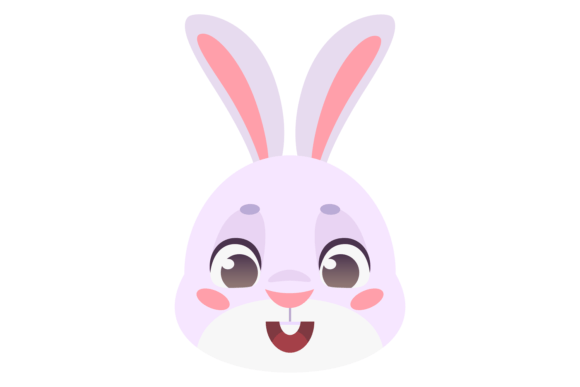
The Irresistible Charm of a Happy Rabbit Portrait
There's a specific kind of warmth that a well-crafted illustration brings to a project. It's more than just a drawing; it's a feeling. When you encounter a happy rabbit portrait, especially one designed as a cute animal head, it taps into a universal sense of approachability and joy. This particular style, often rendered as a cartoon bunny isolated on a white background, is a versatile and powerful tool in any creative's arsenal. It's not just a simple graphic; it's a character, a brand ambassador, and a burst of personality all rolled into one.
More Than Just a Cute Face: The Anatomy of Appeal
What makes this type of illustration so effective? It's a combination of deliberate design choices. The happy rabbit portrait typically features soft, rounded forms—think plump cheeks, gentle eyes, and a friendly, slightly upturned mouth. The "cute animal head" aspect focuses the viewer's attention, creating an immediate connection without the distraction of a full body. This close-up framing feels personal and engaging.
The style is key. A cartoonish approach simplifies reality into its most charming elements. The lines are clean, the colors are often vibrant or softly pastel, and the expressions are exaggerated for maximum emotional impact. Being isolated on a white background is a critical feature. This transparency allows the character to be placed seamlessly onto any surface, color, or pattern, making it an incredibly flexible design asset. Whether you're working with an EPS file for print, a JPG for web, an SVG for scalable graphics, or a transparent PNG for layered digital work, the integrity of the character remains perfect.
Where This Bunny Hops to Work: Practical Applications
The true value of a happy rabbit portrait lies in its chameleon-like ability to adapt to countless projects. It's a premium font for the illustration world—a creative font that speaks volumes without saying a word.
- Branding & Identity: For businesses that want to project a friendly, approachable, and trustworthy image, this is gold. Imagine a children's boutique, a bakery, a pet care service, or a eco-friendly brand using this as their primary logo mark. It builds instant recognition and warmth, forming the cornerstone of a memorable brand identity.
- Digital & Marketing: On social media, this character stops the scroll. Use it as a profile picture, in Instagram Stories, as a recurring mascot in your content, or within eye-catching social media graphics. For email marketing, it can increase open rates when used in headers. In web design, it can guide users, celebrate actions (like a successful form submission), or simply add a layer of delight to the user experience.
- Print & Packaging: The versatility of file formats like EPS and high-resolution JPG makes it perfect for physical products. Think product labels, shopping bags, thank you cards, stickers, and packaging design. It adds a tactile, human touch that digital-only brands can't replicate.
- Publishing & Editorial: As a display font equivalent in the illustration space, it's perfect for chapter headings in children's books, blog post featured images, newsletter headers, and magazine spot illustrations. It breaks up text-heavy layouts and adds visual interest.
Guiding Principles for Using Your New Creative Asset
Integrating a strong visual element like this requires some strategic thinking to ensure it enhances rather than overwhelms your project.
Evaluating Fit and Font Pairing
First, consider your project's core message. Does "friendly," "playful," and "approachable" align with your goals? If you're designing for a law firm, this might not be the right fit. For a community garden or a children's educational app, it's perfect. When it comes to font pairing, let the illustration's personality guide you. A clean, modern sans serif font will let the rabbit shine and maintain readability. A soft, rounded handwritten font or script font can complement its playful nature, but use it sparingly for headlines to avoid clutter. Avoid pairing it with overly formal or decorative serif fonts unless you're going for a very specific, eclectic style.
Technical Considerations and Licensing
Always check the licensing for your commercial font or illustration asset. Ensure it covers your intended use, whether for a personal blog, a client project, or merchandise for sale. Test the graphic at various sizes. A great cartoon bunny should remain recognizable and charming whether it's a tiny favicon or a large poster print. Pay attention to how the colors interact with your background. The "isolated on white" is a starting point; you'll often need to adapt it. A good file will allow you to change the background color easily or even, with some vector skills, adjust the color of the rabbit itself.
Consistency is Key
If you're using this character as part of a brand, consistency is non-negotiable. Use the same version, color, and style across all platforms. This repetition builds recognition. It becomes your visual signature, as reliable and recognizable as any typeface in your modern typography toolkit. Over time, your audience will associate that happy, friendly face with your brand's values and quality.
Ultimately, a happy rabbit portrait