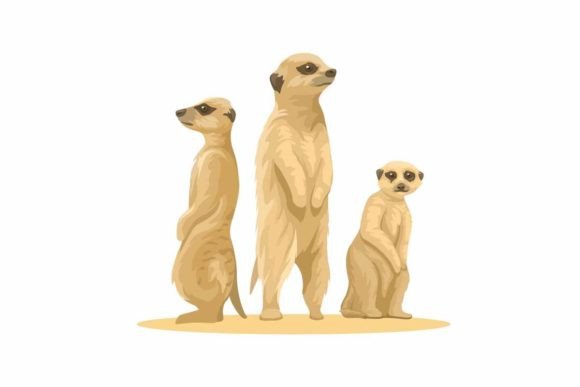
Meerkat Animal Illustration: A Playful Vector for Bold Branding
There’s a reason the meerkat has captured our collective imagination. That signature upright posture, the wide-eyed alertness, the sense of communal curiosity—it’s a personality packed into a small, furry frame. When this personality is translated into a Meerkat Animal Illustration, it becomes more than just a cute drawing; it transforms into a powerful design asset with real strategic value. We aren't just looking at a generic animal sketch here. We are looking at a character, a storyteller, and a visual anchor that can immediately shift the tone of your project from mundane to memorable.
Visually, a high-quality Meerkat Animal Illustration usually features distinct stylistic choices that set it apart. Depending on the artist, you might encounter clean, geometric vector lines that emphasize modernity and scalability, or you might find softer, textured strokes that mimic hand-drawn warmth. The appeal lies in the versatility of the silhouette. Because the animal stands upright, it naturally mimics human posture, making it incredibly relatable. It can hold objects, point toward text, or simply stand guard over a logo. This specific style—often found as a premium font companion or a standalone asset—bridges the gap between professional graphic design and approachable storytelling. It doesn't just sit on the page; it interacts with the layout.
Strategic Applications for Modern Creators
For entrepreneurs and designers, the challenge is rarely finding an image; it is finding an image that serves a purpose. A Meerkat Animal Illustration excels in scenarios where you need to grab attention without being aggressive. In logo design, a meerkat icon can symbolize vigilance, community, and agility—perfect for tech startups, security firms, or collaborative coworking spaces. However, the application goes far beyond a standalone logo. Think about packaging design for artisanal goods or children’s products. A friendly meerkat character instantly communicates safety and fun, lowering the barrier to entry for consumers who are scanning crowded shelves.
In the digital realm, this illustration style is a secret weapon for web design and social media graphics. We live in an era of scrolling fatigue. Static text and generic stock photos often fail to stop the thumb. A dynamic meerkat illustration, however, introduces a focal point. It can be used as a mascot in a 404 error page, a guide for a user onboarding tutorial, or a whimsical header element for a blog post. For content creators and bloggers, using a consistent character like this helps build brand recognition. Your audience begins to associate the friendly face with your content, creating a subconscious sense of trust and familiarity.
Pairing Illustrations with Typography
An illustration rarely lives in a vacuum. It needs typographic partners to carry the message. When working with a Meerkat Animal Illustration, your choice of typeface can either ground the playful nature of the image or amplify it. If you are aiming for a professional brand identity, pairing the illustration with a clean, geometric sans serif font often works best. The neutrality of the sans serif allows the illustration to pop without creating visual chaos. This combination is excellent for corporate communications that want to appear human-centric rather than cold.
Conversely, if the project is for a bakery, a daycare, or a creative agency, you might lean into the whimsy. Pairing the vector art with a script font or a handwritten font can create a cohesive, artisanal aesthetic. The key is to ensure the font pairing does not compete with the illustration for dominance. If the meerkat is detailed and intricate, your typography should be simpler. If the illustration is minimal, you have more room to play with a display font. Think of the illustration as a voice; the typography is the volume knob. You want them to harmonize, not shout over one another.
Evaluating Quality and Usability
Not all vectors are created equal. When sourcing a Meerkat Animal Illustration, you need to look beyond the initial "cuteness" and evaluate the technical execution. Is the vector clean? Are the paths optimized, or are there unnecessary anchor points that will bloat your file size? A truly premium asset should be scalable to any size—from a favicon to a billboard—without losing integrity. This is crucial for editorial design and large-format printing.
Furthermore, consider the flexibility of the asset. Does the illustration come in different poses? Can you change the colors easily to match your client's palette? A versatile design asset saves you hours of time in post-production. For marketers, this scalability means you can run a cohesive campaign across multiple touchpoints. The meerkat on your Instagram story should look just as crisp as the one on your printed flyers. This consistency is what separates amateur branding from professional execution. It signals to your audience that you care about the details, which translates to trust in your product or service.
Real-World Implementation Tips
Let’s get practical. How do you actually use this in a project? First, consider the hierarchy. If you are using the Meerkat Animal Illustration as a hero image on a landing page, ensure your h1 or headline is positioned to interact with it. Perhaps the meerkat is looking at the text, guiding the user’s eye. This is a classic trick in visual hierarchy that utilizes natural human behavior—we look where the character looks.
Second, think about color psychology. Meerkats are naturally sandy and earthy. While you can recolor a vector to neon pink if you want, keeping the illustration in warm, natural tones often yields the best results for brand perception. It feels organic and grounded. This works exceptionally well for eco-friendly brands, outdoor adventure companies, or financial services that want to appear stable and "down to earth." However, for a modern typography approach in the tech sector, a monochromatic blue or charcoal meerkat can look incredibly sleek and futuristic.
Finally, don't be afraid to break the frame. One of the advantages of a vector file is the ability to crop it. You don't always need to show the whole animal. Sometimes, just the face or the paws peeking over a text block creates a delightful moment of surprise in editorial design. This level of creative manipulation is what makes design fun. It turns a standard asset into a bespoke piece of art that feels custom-made for your specific needs.
The Business Value of Character
In a crowded market, personality is currency. Large corporations spend millions trying to appear relatable, while small businesses often have the advantage of being naturally personable. By incorporating a Meerkat Animal Illustration into your toolkit, you are leveraging a pre-built personality trait: curiosity and friendliness. Whether you are a crafter selling on Etsy, a small business owner redesigning your storefront, or a publisher looking for a recurring mascot, this visual element adds a layer of engagement that plain text simply cannot achieve.
It is also worth noting the licensing aspect. If you are using this for commercial purposes, always verify that the commercial font or illustration license covers your intended use. Respecting intellectual property is a hallmark of a professional designer. Once you have the green light, experiment. Test different backgrounds, try overlaying textures, and see how the illustration interacts with your specific serif font or sans serif font choices. The goal is to create a seamless visual ecosystem where the art supports the message, and the typography delivers the payload. When done right, a simple animal illustration does more than decorate—it communicates.