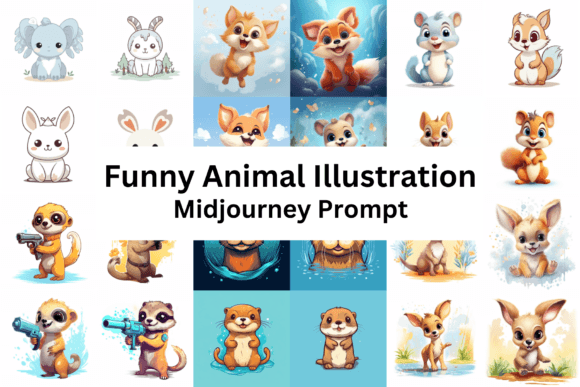
Cute Funny Animal Illustration: Injecting Joy into Visual Design
Visual Characteristics and Whimsical Personality
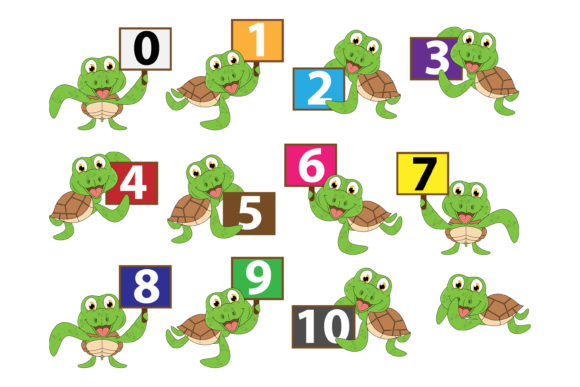
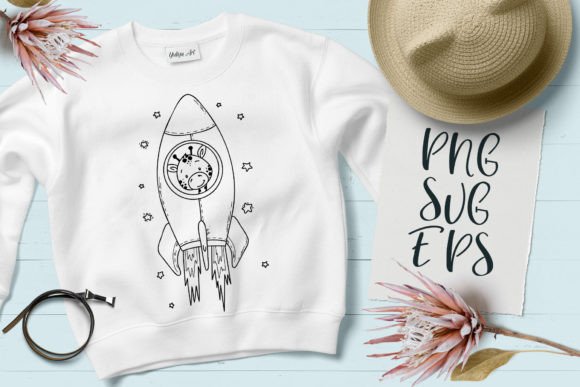
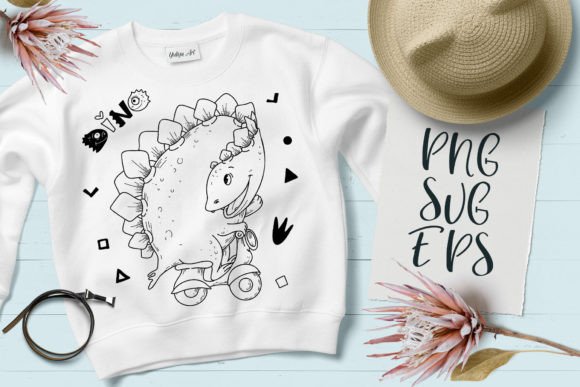
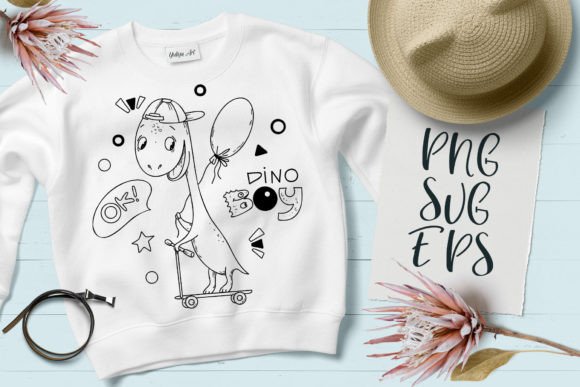
The "Cute Funny Animal Illustration" style isn't a single, static image, but a vibrant design language. At its core, it’s characterized by exaggerated, friendly features. Think oversized eyes on a curious fox, a squirrel with a disproportionately fluffy tail, or a bear cub with rosy cheeks. The linework is typically soft and rounded, avoiding sharp angles to maintain a gentle, approachable feel. The color palette leans toward saturated, playful hues—think sunny yellows, bubblegum pinks, and sky blues—often used in flat color blocks or with subtle gradients that add depth without complexity.
What truly defines this style is the infusion of personality and narrative. These aren't just animals; they are characters. A giggling bunny sporting oversized glasses suggests intelligence and humor. A clumsy panda trying its hand at juggling embodies endearing effort and relatable failure. This personality is built through subtle details: a slight tilt of the head, a mischievous glint in the eye, or an accessory that hints at a backstory. The overall composition is dynamic and filled with movement, often placing characters amidst simplified, vibrant flora or abstract shapes that suggest a joyful environment. The appeal is immediate: it disarms the viewer, triggers a smile, and creates an emotional connection that more sterile or realistic art styles might not achieve.
Strategic Applications for Designers and Brands
This style of illustration is a powerful tool for specific projects where warmth, approachability, and memorability are key. It’s not a universal solution, but in the right context, it’s incredibly effective.
In brand identity and logo design, a Cute Funny Animal Illustration can become the cornerstone of a friendly, consumer-facing brand. Think of a local bakery using a cheerful badger as its mascot, or a children's educational app featuring a wise owl. The character becomes an ambassador, making the brand instantly recognizable and emotionally resonant. For packaging design, especially for products like snacks, pet food, or artisanal goods, these illustrations can leap off the shelf, communicating fun, quality, and care.
For editorial design and publishing, the style excels in children’s books, greeting cards, and magazine features targeting a light-hearted audience. A series of illustrations depicting animals in seasonal themes can create a cohesive and charming visual narrative. In the digital realm, it’s a standout for social media graphics, website hero sections for family-oriented brands, or as engaging elements in user interface design for apps that want to feel less corporate and more personal. It’s also perfect for merchandise—t-shirts, stickers, and posters—where the goal is to sell joy and personality.
Practical Guidance for Effective Implementation
Integrating this style effectively requires more than just dropping a cute animal onto a project. It demands thoughtful consideration to ensure it enhances, rather than undermines, your message.
Evaluating Project Fit: Ask if your core message aligns with the traits this style conveys: whimsy, friendliness, humor, and approachability. It’s excellent for a pet store's loyalty program but might confuse the audience for a high-end financial advisory firm. The illustration should support your brand’s voice, not contradict it.
Considering Readability and Hierarchy: A detailed, character-heavy illustration can compete with text. Use it strategically as a focal point in a hero image or as a supporting element in the margins. Ensure there is sufficient negative space around the illustration and that any overlaid text has high contrast and a clear, legible typeface. A clean sans serif font often pairs well, providing a modern counterbalance to the playful illustration. Avoid using overly decorative script fonts or handwritten fonts directly on top of the art, as this can create visual chaos and harm readability.
Font Pairing and Style Consistency: If you’re using a premium font for your brand, the illustration style should complement its character. A bold, geometric display font can create an interesting contrast with soft illustrations, while a rounded sans serif can create a harmonious, cohesive feel. The key is to test pairings. Mock up your illustration with your chosen typeface for headlines, body copy, and buttons to see how they interact. Does the illustration distract from the text, or do they work in concert to guide the viewer's eye?
Sourcing and Licensing: When sourcing such illustrations, look for creators or design assets marketplaces that offer a cohesive set. A single illustration is useful, but a series of characters in different poses and situations provides incredible versatility for building a full campaign. Always verify the commercial font and illustration license. Ensure it covers your intended use—whether for a single client project, merchandise for sale, or unlimited digital distribution. A clear license prevents future legal headaches and ensures you can use the asset confidently across all your creative font and visual projects.
Ultimately, the power of a Cute Funny Animal Illustration lies in its ability to tell a miniature story and foster a positive emotional response. Used with strategic intent, it can transform a standard design into a memorable experience, making your brand or project feel more human, approachable, and delightfully engaging. It’s a creative font